Precious metal investment funds may be operated using shared treasuries and democratic voting with decentralized autonomous organizations. They form groups to pool capital and members decide what to do with the pooled capital. But physical gold and silver are investments that need proper on and off chain considerations.
How DAOs Can Hold Precious Metals
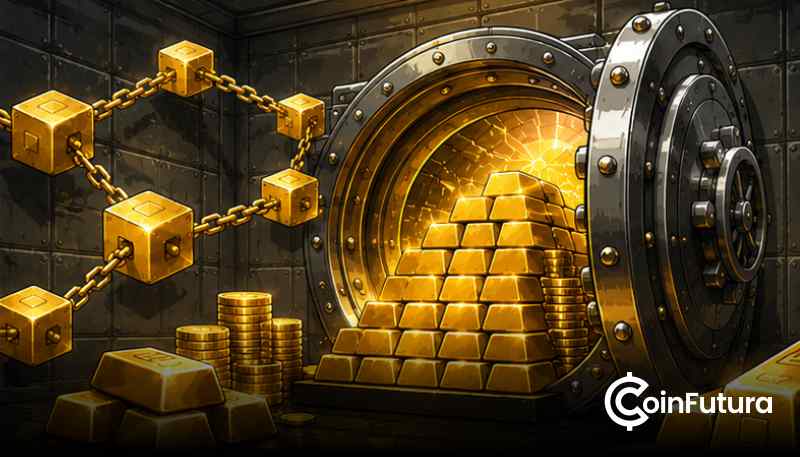
One way is to tokenize precious metal assets, which are tied to a secure physical metal storage. Some gold-backed tokens, for instance, can provide a DAO exposure without having to swap physical bullion again and again. But there is a difference between owning a token and owning the stored metal that it represents.
The other option for a DAO is to invest directly, that is, using a registered entity that has bullion holdings. Then, representatives of these are contacted and work with the vault operators, insurers, and specialists. In the meantime, members have a significant voice in investment decisions, following the DAO’s rules of governance.
The appropriate method will depend on the objectives, on the local laws that can be used and on the custodians that are available. As a result, organizers need to develop terms for ownership prior to public fundraising. Documentation of the law can also make it easier for members to comprehend tokens’ exact significance.
How Investment Decisions Work
Blockchain Governance Tokens are employed in investment DAOs for proposals and voting. A regular suggestion would be to purchase gold, decrease the silver exposure, and hold cash. The members then vote and approved investment actions can be executed by smart contracts.
Some DAOs distribute voting power based on the individual token holder, which means that a large number of tokens held by one individual means that they have a significantly greater influence. Others may employ modified voting procedures or a restricted membership. Therefore, it is important to select an approach that is both efficient and accessible to a wide audience.
Voting rules can include a quorum, approval requirements and clearly define a period for review of proposals. They help to prevent large proposed treasury transactions from being approved by small groups. But single voting is not enough to ensure good choices and manipulation-free.
DAOs can hire experts to evaluate existing market conditions, storage fees, and prices. This type of guidance helps members, but does not take the place of their voting rights. This means that investments can be made not only with the knowledge of experts, but also with the participation of the community.
How Funds and Returns Are Managed
Governance tokens, direct investment and revenue can be used to raise capital for an investment DAO. The funds were gathered and placed in a common investment fund, with defined spending requirements. These conditions can be defined in advance and enforced in the form of smart contracts that will document approved transfers.
Gold backed tokens and other liquid financial assets may be found in a precious metal treasury. This blend can be used for buying, cost and withdrawals. Nevertheless, all assets come with market price risk, liquidity risk and counterparty risk.

If investments yield profits, the DAO can choose to reinvest the profits or share them with members according to predefined rules. Smart contracts can be used in distribution methods, although the entitlement relies on legal rights. Therefore, governance rights should not be confused with income and ownership.
Clear and transparent transactions make it easier to examine on-chain treasury activity. But inventory or insurance cannot be verified using blockchain records. So, regular independent asset checks are important to physically-backed funds.
Legal and Custody Requirements
Precious metal funds are available on both blockchains and traditional institutions. While DAO voting is conducted online, assets are still kept in a physical form and must be guarded by the custodians. Legal contracts should also designate ownership and release rights.
There are some jurisdictions that recognize DAO entities, such as limited liability companies. However, financial rules do not exempt the investor activity from the registration requirements. Requires compliance, investor checks, tax arrangements, and licensing by the fund organizers.
All aspects of the storage, insurance, audits, redemption rights and insolvency provisions need to be covered in custody agreements. This information is important because tokenholders rely on custodians. Furthermore, under transparent contracts, the weakness of the contracts can expose the investors.
Benefits and Risks for Investors
DAO-based funds for precious metals can expand participation in the decisions made by the managers. The public blockchain voting records can enhance investor’s oversight, and automated rules can cut down administration. However, a lack of transparency doesn’t eliminate losses in the market, technical failure, or any errors.
While gold and silver can offer diversification to crypto treasuries, their price is also volatile. In addition to bullion risk, there are also issuer, redemption, and platform risks in tokenized holdings. Therefore, it is important that diversification is weighed in with custody and liquidity.
Errors in smart contracts can endanger assets in the treasury, and the ability to vote in large groups can also allow for the launch of an opposing proposal. There are delays in voting as well during long votes. Hence, there is a need for security review and emergency procedures.
Ultimately, DAOs can coordinate precious metal investment funds, with proper oversight. Effective structures are a combination of member oversight, asset rights and independent custody verification. They cannot be successful without proper operations, but only with the help of decentralization.