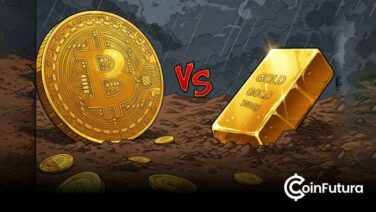
Blockchain technology is revolutionizing the ways that valuable assets, such as precious metals, are stored, traded and utilized in international financial markets. Gold and silver are now able to flow through digital systems, and remain tied to physical reserves held by trusted custodians. The future of this market could see tokenization change the dynamics of investing, settling, providing liquidity, and decentralized finance for precious metals.
Precious Metals Move Beyond Traditional Markets
Precious metals are emulating blockchain, and this is changing the way investors invest in and utilize gold and silver. Tokenized assets can stand for physical metal housed in vaults, and blockchain records can make transfers quicker and lead to wider access. With the rise of adoption, these assets could become more dynamic components of digital finance, rather than just being passive stores of value.
The tokenisation process also lowers barriers as investors do not have to deal with large contracts or physical bars in global markets. Meanwhile, trading can go around the clock which can enhance the flexibility of the retail and institutional clients. But the reliability of the custody, the accuracy of the reserves and the clarity of the rights of ownership over time are still a matter of dispute for each token.
Tokenized Gold and Silver Gain Wider Utility
The tokens that are already gold-backed provide a good example of how physical goods can be used in blockchain networks and decentralized applications, in today’s digital financial markets. Silver tokens can have similar attributes and may be of interest due to the quality of silver being used for industrial purposes as well as investment. In this way, tokenized metals can bridge the gap between traditional commodities markets and digital markets, allowing for the maintenance of exposure to underlying physical assets on the part of market participants.
These tokens can also be traded from wallet to wallet, exchange to exchange, and lending platform without the lag time that is often seen in traditional markets. Furthermore, fractional ownership can be beneficial to a more precise portfolio allocation as investors will be able to purchase smaller portions of the investment in various investment strategies. Regardless, redemption terms and conditions, fees, storage periods and area limitations may vary significantly among issuers from various jurisdictions and market platforms.
DeFi Expands the Role of Metal Backed Assets
Dedicated on-chain capital markets have the capacity to transform tokenized metals into the security required to take out loans, lend and use them for other financial products and services. The holders can get liquidity, and this can enhance the practical application of longer-term holdings without the ceding of the metal exposure. In the interim, lenders could acquire assets that have collateral value, and that tend to do well during inflation or geopolitical turmoil when uncertainty prevails.
It is also possible to include metal backings in the yield-bearing products, thereby providing another source of yield for token holders. The higher the return, however, the more risk will likely be attributed to the borrower, the managers, the smart contracts, and changing market conditions throughout volatile market cycles. Metals with productive tokens need clear structures and explanations of sources of income over time.
Continuous Trading Changes Market Behavior
On-chain markets let you get in and out of gold and silver exposure at any time, whereas many commodity markets have set times. Access on a go, go basis allows traders to adjust more quickly to political developments, inflation reports, supply disruptions and unexpected shifts in attitudes. But, unbridled trade doesn’t ensure fair prices, robust liquidity and/or protection in times of extreme market stress.
But perpetual futures are added layers since traders are able to speculate, hedge, and manage their portfolios without taking ownership of the underlying metal. Spot token derivatives funding differences can result in basis opportunities and leverage can magnify gains and losses. As on chain commodity markets grow in size and complexity, therefore, risk controls will continue to be vital.
Trust and Regulation Will Shape the Next Decade
Without trusted custody, blockchain records are not enough to guarantee the security of physical bullion, and the future of tokenized metals is at stake. Metal backed tokens need to be audited regularly, have a reserve check, secure vaults and clear redemption terms to ensure confidence in metal-backed tokens. Reliable price feeds are also significant as they provide the exact values for lending platforms to use for their collateral and liquidation.
Regulation will have an impact on who is able to produce, sell, redeem and utilize tokenized metals in various nations. Uncertainty in the law can limit access to or regional fragmentation of liquidity, while clear rules can promote institutional involvement. Thus, compliance, secure infrastructure and clear ownership are essential for successful growth.
A cross-chain system could one day enable metal-backed tokens to transfer from one blockchain system to another without the loss of reserve links. This can help drive deeper liquidity and bridge the gap between tokenized metals and settlement, lending, trading, and institutional finance. In the coming decade, precious metals could be programmable financial assets, yet we will need trust, resilience and design to make them a reality.