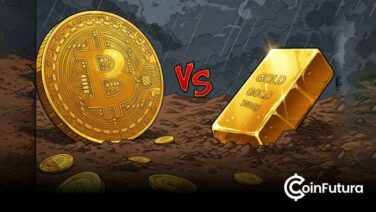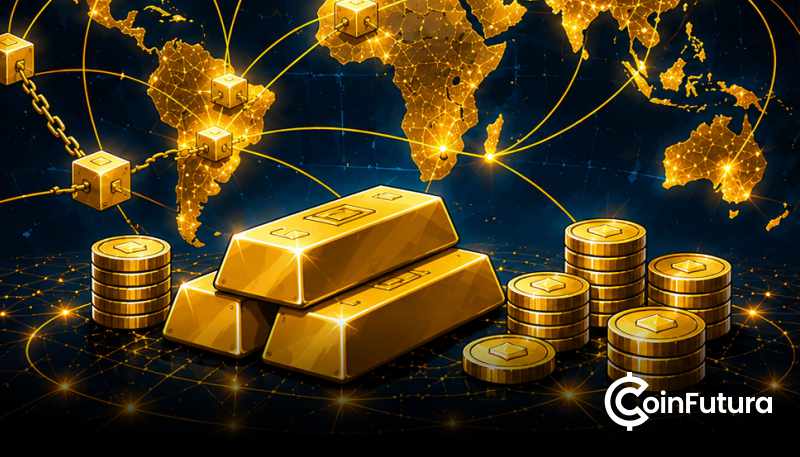
Blockchain technology is paving the way for new opportunities to gain access to precious metals, and it’s been a trusted way to preserve wealth for generations. By incorporating both physical gold and digital ownership, tokenization adds flexibility and accessibility to gold and silver investments. This has made real world assets an increasingly significant component of the rapidly expanding Web3 economy.
Why Precious Metals Are Moving Onchain
Gold and silver have always been a popular choice of investment to make during times of economic uncertainty as they may be worth some value over time. But when you purchase physical metals you will be charged storage, insurance and there will be less opportunities to trade. Hence, blockchain technology provides a viable solution with tokenized ownership.
A tokenized metal is a representation of ownership of a physical metal kept in secure vaults and guaranteed by trusted custodians. Furthermore, many projects have one-to-one backing of their digital tokens and physical reserves by regular audits. This is a blend of legacy asset security and contemporary convenience of the digital world.
Fractional Ownership Improves Market Access
Conventional precious metals can involve a lot of capital for investors to get into the market with a substantial stake. But having it tokenized means breaking up huge assets into smaller digital pieces, which people can buy more readily. Thus, investors do not need to purchase whole bars or coins to diversify their portfolios.
Fractional ownership also helps to lower barriers that formerly inhibited many people from previous institutional investment opportunities. Meanwhile, blockchain networks afford continuous trading, rather than following the market schedule. Thus, participants can adapt more rapidly to the economic situation and market fluctuations.
Liquidity and DeFi Create New Opportunities
Tokenized precious metals are able to be moved across blockchain networks in mere minutes, rather than through slower settlement systems. Additionally, digital ownership gives investors the ability to move assets straight through, bypassing a number of conventional intermediaries. This can help to speed up the process and minimize delays in settlement.
Numerous DeFi apps also take tokenized metals as security for loans or other monetary choices. Therefore, investors can invest in precious metals while still retaining the underlying value. Available features will be subject to platform rules, liquidity and regulatory requirements, though.
Transparency Strengthens Investor Confidence
Blockchain technology immutability of the blockchain makes ownership records more easily verifiable and trackable. Also, independent audits and proof of reserve systems enhance trust in the backing of physical assets by issued tokens. There are also some platforms that require up to date pricing and reserve information, which is also provided by the oracles on their networks.
Blockchain systems seek to reinforce this idea of trust through ongoing verification systems, while “trust depends on transparency”. However, investors are still required to look into custody, redemption and compliance requirements before deciding which to invest in. However, caution should be exercised as structures are unique to different issuers.
Risks and the Future of Tokenized Metals
Despite the promising opportunities, the tokenized metals still face challenges in terms of custody, regulatory uncertainty, and centralized storage solutions. Also, the amount of liquidity of each project will be different since the minimum amount that has to be redeemed and other costs for the redemption may take place. So, investors should be aware of these aspects prior to engaging in tokenized commodity trading.
Financial institutions and blockchain firms continue to ramp up their efforts to both enhance the tokenization infrastructure and comply with regulations, driving industry adoption. Prices for precious metals are also being backed by the prospect of innovative blockchain-based features, while maintaining their traditional value. The partnership places tokenized metals at the forefront of real-world assets in the dynamic Web3 landscape.