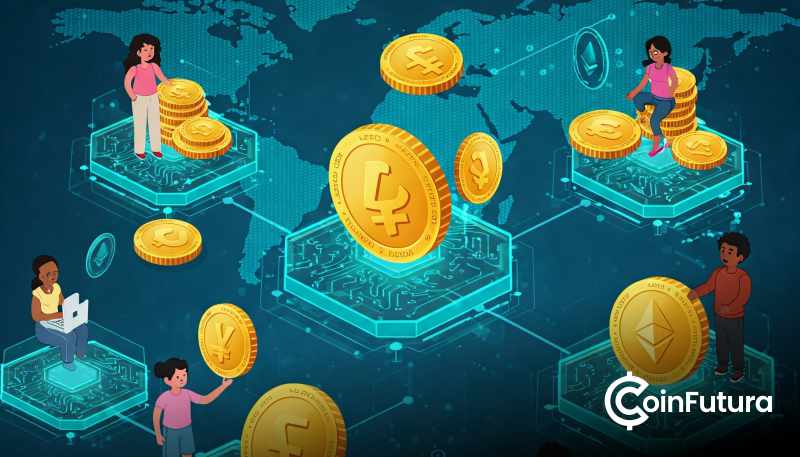
The blockchain world is expanding rapidly yet the networks remain isolated. This fragmentation restrains flows of assets between chains. Wrapped tokens are a potent remedy with the ability to allow a smooth interface between the various blockchain networks.
What Wrapped Tokens ?
Wrapped tokens are Digital currencies that reflect another cryptocurrency’s value. These represent one asset on another blockchain. They enable a cryptocurrency to interact with systems it couldn’t before.
Each token is 1:1 collateralized by the asset it is a representation of. The asset is then locked via a custodian or smart contract. An equivalent amount of wrapped tokens is then minted on another blockchain.
This allows for the maintenance of value while increasing utility. The token can now be used elsewhere. This is a simple model that makes for a great starting point.
How They Work Across Chains
The original asset is then secured using smart contracts or custodian arrangements. Once this is done, a corresponding amount of the new asset is created on a different blockchain.
If users desire a reversal, this process is inverted. The token wrapped is burned, and the original asset is unlocked. Thus, it ensures a well organized balance across all the chains.
As a result, wrapped tokens open up markets without affecting security. They, in turn, improve the process of blockchain transactions. This makes wrapped tokens essential for blockchain compatibility.
Their Role in DeFi and Liquidity
The introduction of wrapped tokens makes it easier for assets to engage with DeFi. Bitcoin can now be used to farm interest or taken as collateral on Ethereum. Many financial opportunities are now available to owners of non-Ethereum assets.
These tokens increase liquidity by linking isolated blockchain economies. Liquidity will translate to tighter spreads and efficient price discovery. This will have a beneficial effect on traders, investors, and protocols.
They promote innovation in lending, borrowing, and yield farming. They motivate assets to be made more productive. They increase participation in decentralized finance without adding any complexity.
Security, Risks, and Limitations
Despite the fact that these tokens can be useful, it is necessary to mention that these tokens have a number of hazards that should be considered. These risks may be brought about by technological configurations as well as external policies.
Custodial Risk
Wrapped tokens usually have to rely on custodian firms that hold the original asset. If such a party is hacked, mismanages funds, or is found to be insolvent, assets can be lost. This brings about a degree of trust, which contradicts the decentralized nature of blockchain technology.
Smart Contract Vulnerabilities
Smart contracts are used for automating processes related to minting and burning. If there are bugs or security vulnerabilities in smart contracts, they can be exploited. It might result in stealing or permanent loss of wrapped assets.
Liquidity Challenges
Wrapped tokens need sufficient amounts of trading to support their value. But in a case where the demand of these tokens is low, then there is a high probability of not having enough liquidity. This complicates buying, selling or redeeming of tokens.
Regulatory Uncertainty
Regulators might focus on these wrapped tokens because of their custodial nature and interactions across multiple chains. A concern about regulatory issues is that these tokens might not be available in all areas.
Peg Stability Risk
In spite of this 1:1 pegging, market forces could interfere with this peg. This is attributed to the delays in redemption or mistrust in the custodian. These events have an impact on short-term value.
The problems described exemplify the importance of transparency, effective protocols, and frequent audits. Considerations should be made to make sure that these procedures are security and other regulations compliant. Users in these sites are urged to be cautious of wrapped assets.
Why They Matter in Blockchain’s Future
Wrapped tokens are revolutionizing the interactions between blockchains. They have solved one of the most significant problems in the blockchain space: interoperability. As blockchain spaces develop, the need for value transfer between these spaces will increase.
These tokens will fuel the next wave of financial innovation. They are already building the foundation for multi-chain wallets and global trading platforms. Their utility extension capabilities are revolutionizing the crypto economy.
Despite this, there are potentials that overrule any risk. Development and improvement in protocols will promote their adoption. They are not a trend but a foundation for a blockchain economy in tomorrow’s world.
Conclusion
Wrapped tokens are revolutionizing blockchain functionality by connecting previously isolated networks. They facilitate interactions between different networks, enable access to DeFi platforms, and improve liquidity across networks. As technology advances, wrapped tokens will soon realize their dreams for a more efficient blockchain environment.