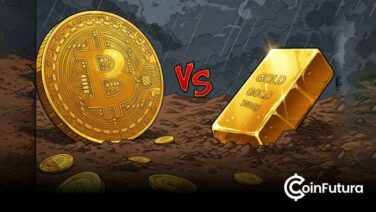
The gold backed tokens demonstrate the possibilities of blockchain technology and its ability to link digital assets with physical assets. Furthermore, they expose the positive and negative aspects of converting traditional ownership to programmatic digital claims. Thus, their construction provides a pragmatic look on the future of secure, accessible and legally recognized digital property.
The Link Between Physical Gold and Blockchain Ownership
Gold backed tokens link physical metal to blockchain records, and convert monetary assets into tradable digital tokens in international markets. Each token is a specific amount of gold and the custodians have the corresponding amount of gold in their safe deep vaults, which are secure and insured. So, digital ownership becomes easily tracked, shared and split, while the physical object is off the blockchain.
This version is a split between possession vs ownership, with investors just typically controlling the tokens, not physical gold bars in the house. However, not all legal rights are equal when it comes to token issuers, since some tokens are allocated gold and the others are contractual claims to gold for the token holders. As a result, it is important for buyers to look at the conditions of ownership, bankruptcy status, and redemption options before purchasing tokens as a direct claim to bullion now.
Fractional Access and Greater Market Participation
Tokenization enables investors to purchase small portions of gold, and it takes out the large expense of buying investment bars en masse. This has enabled individuals with basic capital to access gold markets through exchanges, wallets, and other endorsed electronic stages around the globe. This greater access can contribute to financial inclusion, but account requirements, transaction fees, and identity verification are potential barriers to access worldwide.
Blockchain markets can run around the clock and gold backed tokens can move across borders outside of banking and exchange hours every day. Furthermore, digital settlement can lessen paperwork and travel requirements, and today’s investors can sidestep getting their hands dirty when it comes to storage, insurance, and physical security. However, having market access doesn’t mean that the tokens are liquid, as some smaller tokens can experience greater price volatility, lower demand, and spreads.
Smart Contracts and the Programmability of Gold
Smart contracts are conferring tokenized gold with programmable properties and the holders can take part in digital lending and trading services as compatible tokens today. For instance, trusted platforms could allow users to obtain money without having to trade their gold holdings for cash, as gold tokens are put as collateral. While this function can enhance capital efficiency, borrowers also are exposed to liquidation risk, smart contract risk, platform risk, and blockchain network risk.

Also today, Programmability can assist with Treasury payments, Portfolio Rebalancing and automated transfers, provided that conditions are met as expected and securely. But each additional service is a dependency, though, as wallets, exchanges, protocols, custodians and networks need to work together without too much disruption. So, it is important to have proper controls in place, test thoroughly, and establish accountability in case of failure in automation or in connected systems.
Custody, Audits, and the Limits of Digital Trust
Gold-backed tokens are not a solution to the lack of trust, but they add a layer of trust to the issuers, custodians, auditors, regulators, lawyers, courts and vault operators. While reserving reports can enhance transparency, an attestation can consider records without actually examining each gold bar or verifying its quality. So investors need to be suspicious of the nature of each report, the date of each, and the methods used to compile each, and especially of the independence of each report, and should not take anything for granted when a report says it supports something.
Redemption offers another bridge between the two worlds of tokens and bullion, but often with a high degree of restrictions and requirements set by the issuer. Physical delivery may not be feasible for many small retail investors due to minimum amounts, fees, waiting periods, location, and identity checks. Thus, a token could be a close copy of the price of gold, but provide little direct connection to the underlying metal that gives it its market value.
The Wider Future of Tokenized Real-World Assets
Gold tokenization offers a valuable model for other assets, such as real estate, commodities and bonds, as well as art, that are tied to a real-world ownership right. Valuation, custody, regulation, and effective enforcement have to be addressed appropriately for each of these markets to gain fractional access and faster transfers. Furthermore, blockchain code can facilitate the performance of agreed actions, but it can’t resolve all disputes over ownership, fraud, damage, or similar issues without additional agreements.
Digital ownership will be a blend of blockchain efficiency, a trusted system, trusted evidence, and clearly defined legal protections across the globe. This balance is shown by gold-backed tokens, whereby they provide greater access and flexibility while also introducing new technical and institutional dependencies. For example, these systems must have security, credible reserves, liquid markets, fair redemption, and consistent enforcement of rights by courts to ensure durable ownership.